Cute Wedding Art: A Versatile Design Suite for Modern Creatives
There’s a certain magic to wedding stationery and celebratory graphics that transcends simple typography. It’s the blend of elegance, whimsy, and personal touch that captures the essence of a special moment. For designers, crafters, and small business owners, tapping into this aesthetic requires more than just a pretty font—it demands a cohesive, adaptable design system. This is where a comprehensive asset like the Cute Wedding Art collection truly shines, offering not just a single visual style but a complete toolkit for creating heartfelt, professional-grade designs.
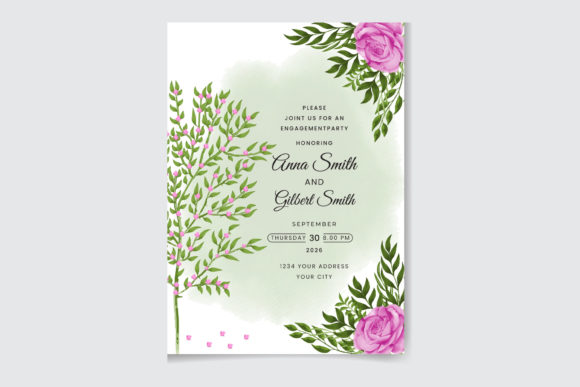
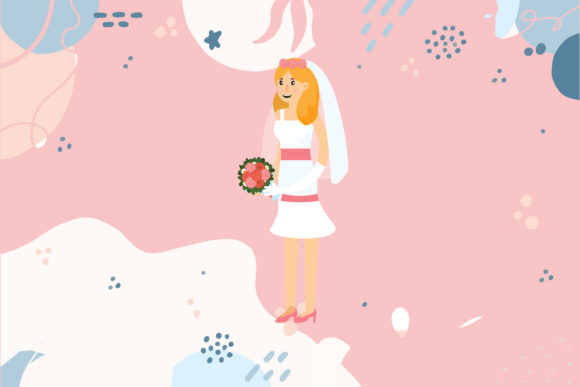
At its core, Cute Wedding Art is a curated set of design elements built around a charming, illustrative style. Think soft curves, delicate linework, and motifs that evoke romance, celebration, and natural beauty. It’s not a traditional typeface but rather a suite of vector-based artwork, ornaments, and decorative components designed to work in harmony. The visual appeal lies in its balanced composition—it’s detailed enough to feel special and crafted, yet clean enough to maintain clarity and versatility across different media. This balance is crucial for projects that need to feel both personal and polished.
From Screen to Print: A Format for Every Need
One of the most significant practical advantages of this collection is its availability in six essential file formats: AI, EPS, SVG, DXF, JPG, and PNG. Each format serves a distinct purpose in a modern creative workflow, ensuring your design assets are never a bottleneck.
- AI (Adobe Illustrator) and EPS files are the workhorses for professional designers. They are fully scalable vector files, meaning you can resize elements to fit anything from a tiny favicon to a massive banner without losing a pixel of quality. They are ideal for creating editable logos, intricate packaging designs, and high-resolution print materials like posters and wedding invitations. The ability to edit paths, colors, and individual components makes these formats indispensable for custom branding work.
- SVG (Scalable Vector Graphics) is the modern standard for web and digital use. It’s a lightweight vector format that renders perfectly on any screen resolution, making it perfect for website graphics, blog headers, and social media content. Its compatibility with web platforms and design tools like Canva or Figma makes it a favorite for content creators and digital marketers.
- DXF (Drawing Exchange Format) is the key for crafters and makers. This format is specifically optimized for use with cutting machines like Cricut and Silhouette. If you’re creating custom wedding décor, vinyl decals for mugs or signs, or intricate paper crafts for an event, DXF files provide the precise, clean outlines needed for flawless cuts.
- JPG and PNG files offer immediate usability. JPGs are great for quick previews or use in projects where a transparent background isn't needed, while high-resolution PNGs with transparent backgrounds are perfect for layering over photos, creating mockups, or using in presentation decks and social media graphics where you need to place the art seamlessly over other elements.
The uniform canvas size of 1920 px by 1280 px across all formats is a thoughtful detail. It provides a consistent, high-resolution starting point for digital projects, ensuring that whether you're working in a vector program or a raster editor, your base assets are aligned and ready for scaling or cropping.
Practical Applications: Beyond the Wedding Album
While the name suggests a specific niche, the applications for this style of artwork extend far beyond save-the-dates. Its gentle, approachable aesthetic is a powerful tool for various branding and creative projects.
For a small business owner in the wedding industry—a planner, florist, baker, or boutique—the cohesive set of elements can be used to build an entire brand identity. Imagine a logo formed from a delicate wreath motif, packaging for favors adorned with matching corner designs, and a website that uses the art as subtle section dividers or background patterns. This creates instant visual consistency and professional recognition.
Content creators and bloggers can leverage the art to develop a signature style for their platforms. Use a decorative frame from the collection as a recurring element for Instagram story highlights, create Pinterest pins with elegant borders, or design engaging lead magnets and digital product covers that feel cohesive and premium. The art adds a layer of sophistication and thematic unity that generic stock elements can't match.
For marketers and entrepreneurs, this style can soften a brand's visual communication. It’s particularly effective for businesses in the lifestyle, wellness, beauty, or artisanal food sectors. Incorporating these elements into email headers, social media ads, or product lookbooks can evoke feelings of care, quality, and attention to detail, directly improving audience engagement through relatable and beautiful visuals.
Integrating Art and Typography for Maximum Impact
The true power of this collection is unlocked when it’s paired thoughtfully with typography. The art itself carries a distinct personality—often romantic, whimsical, or rustic—which should guide your font choices. A script font or handwritten font can amplify the personal, celebratory feel, perfect for invitations or thank-you cards. A clean sans serif font provides a modern, readable counterpoint, ideal for body text on a website or in packaging where the art is the star. A classic serif font can lend a sense of timeless elegance to editorial layouts or formal announcements.
The key is to let the art guide the mood and then select a font pairing that supports it without competing. If the Cute Wedding Art elements are intricate, a simpler, more robust typeface will ensure readability. Always test your combinations in context—see how a headline looks framed by a decorative element, or how body text reads next to a patterned border. This practical testing phase is what separates good design from great, functional design.
Making It Work for Your Project
Before diving in, consider your project's specific goals. Are you creating a one-time event suite or building a reusable brand kit? For a single project, you might focus on a subset of the elements. For a brand, you’ll want to establish rules for how and when to use the art to maintain professional presentation.
Review all the included components. Look for versatile pieces that can be scaled, recolored, or isolated. A single floral spray might work as a logo accent, a social media icon border, or a repeated pattern for a background. Thinking this way maximizes the value of your design assets.
Finally, be mindful of licensing. If you're using these assets for commercial work—as most creative entrepreneurs and businesses will—ensure the license permits such use. Reputable sources for premium fonts and design kits typically offer clear commercial licenses, but it’s always a responsible practice to double-check. This allows you to use the art confidently in client projects, merchandise, and marketing materials, making it a true professional resource.
In a digital landscape saturated with generic visuals, a thoughtfully designed and versatile art collection like this offers a way to create work that feels intentional, cohesive, and genuinely engaging. It’s less about following a trend and more about equipping yourself with the right tools to tell your visual story effectively.